Can Exterior Cleaning Improve Access and Slip Safety?
Yes, exterior cleaning can make a measurable difference to access and slip safety. Paths, patios, steps, driveways and entrances in Salisbury are exposed to rain, shade, falling leaves and general foot traffic throughout the year. Over time, these conditions allow slippery contaminants to build up on surfaces. Regular, properly executed cleaning removes these hazards, restores surface grip and helps keep properties safe for residents, customers, staff and visitors.
Why Outdoor Surfaces Become Slippery
Most slips outdoors are caused by a thin, often barely visible layer of contamination rather than an obvious spill. Wiltshire's mild, damp climate and the many older, shaded properties around Salisbury create ideal conditions for biological growth. The most common culprits include:
- Algae and moss: These thrive on north-facing walls, shaded paths and areas where water drains slowly. Algae forms a slick film, especially when wet.
- Lichen: Lichen bonds tightly to stone, brick and concrete, creating uneven, crusty patches that can also hide surface damage.
- Leaf mulch and organic debris: Autumn leaves break down into a greasy residue that stains surfaces and remains slippery long after the leaves are cleared.
- Oil, grease and grime: Driveways, car parks and commercial service areas collect vehicle fluids, cooking residue and general dirt.
- Chewing gum and compacted dirt: In busy town-centre locations, these can reduce grip and make surfaces unpleasant to walk on.
Frost and ice can compound the problem. Algae-covered surfaces tend to hold moisture for longer, so they freeze more readily and stay icy for longer during cold Salisbury winters.
How Exterior Cleaning Improves Slip Resistance
Cleaning improves slip safety by removing the contamination that sits between a person's footwear and the surface beneath. Natural stone, paving, concrete and tarmac all have a texture that provides grip when exposed. When that texture is clogged with algae, moss or grime, friction drops sharply.
Removing biological growth
Professional cleaning methods, such as low-pressure soft washing with appropriate biocidal treatments, target the roots of algae, lichen and moss rather than just the visible surface. This is important because growth that is only partly removed tends to return quickly. Treating the surface properly can slow regrowth and keep paths safer for longer.
Restoring surface texture
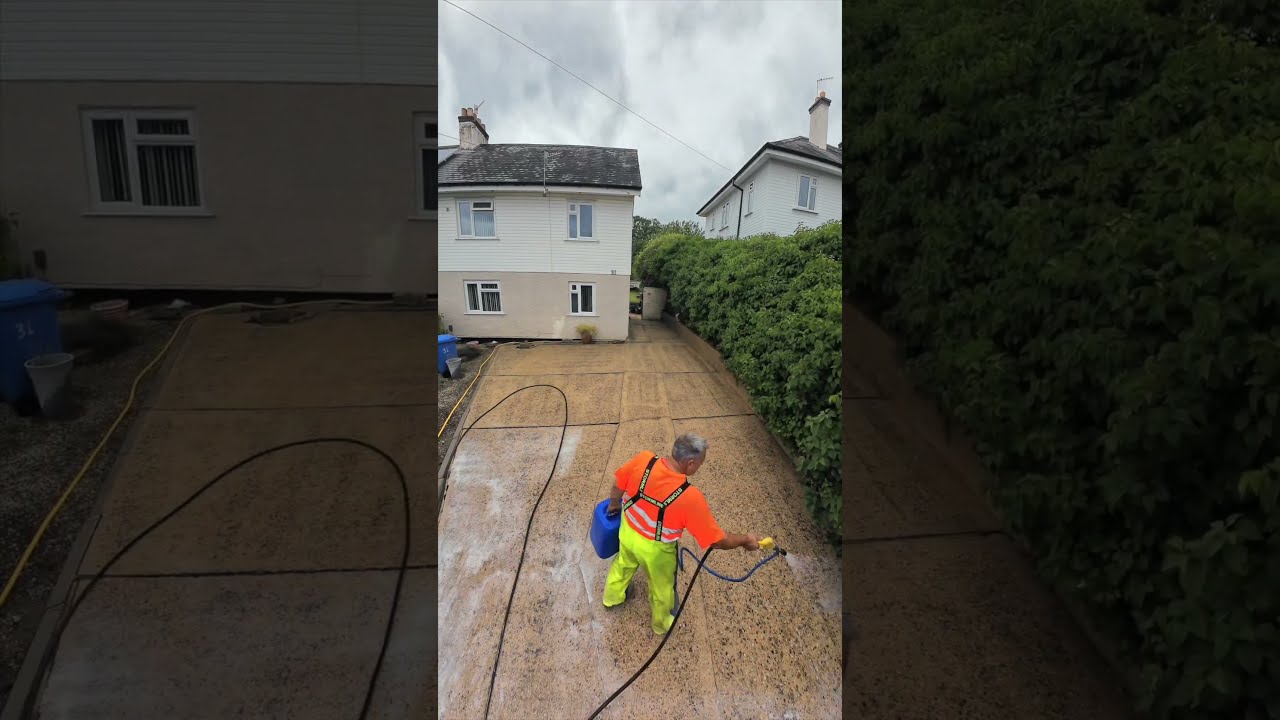
Pressure washing, when used correctly and at a suitable pressure for the material, clears embedded dirt from the pores and texture of paving, concrete and brick. Rotary surface cleaners help produce an even finish and reduce the streaking that can result from poor technique. The right method depends on the material, as natural stone, aged mortar, sandstone and imprint concrete can all be damaged by excessive pressure.
Improving visibility and edge definition
Access is not only about grip. Clean surfaces also make step edges, kerbs, changes in level and tactile paving easier to see. Moss and dirt can hide the nosing of a step or blur the boundary between a path and a flower bed, increasing trip risk as well as slip risk.
Improving Access Beyond Slip Resistance
Exterior cleaning also contributes to broader accessibility. Overgrown moss and compacted debris can narrow pathways, block drainage channels and cause water to pool across walkways. Cleaning gullies, drains and channels allows rainwater to run away properly, reducing standing water and ice patches.
For people with mobility aids, such as wheelchairs, walking frames and mobility scooters, a smooth, clean and well-drained surface is far safer than one covered in slippery growth. Ramps, dropped kerbs and entrance thresholds deserve particular attention because even a small loss of grip can have serious consequences.
Legal and Safety Responsibilities in 2026
Property owners, landlords, businesses and managing agents in Salisbury have duties to keep people safe on their premises. Under the Occupiers' Liability Acts 1957 and 1984, occupiers must take reasonable care to ensure visitors and, in some cases, trespassers are not harmed by the condition of the premises. For workplaces, the Health and Safety at Work etc. Act 1974 and the Workplace (Health, Safety and Welfare) Regulations 1992 require floors and traffic routes, including outdoor ones, to be suitable and free from hazards that could cause slipping or tripping.
The Equality Act 2010 also requires service providers to consider reasonable adjustments so that people with disabilities can access their premises. While cleaning alone does not satisfy these duties, keeping approaches and entrances clean and safe is a practical part of meeting them. Keeping records of cleaning and inspection schedules can also help demonstrate that reasonable steps have been taken if a claim is made.
Areas That Benefit Most From Cleaning
Certain parts of a property are higher risk and should be prioritised:
- Front paths, steps and entrance porches
- Ramps and handrail approaches
- Driveways and car park walkways
- Patios, decking and garden paths used regularly
- Shop frontages, pub gardens and café seating areas
- Communal areas in flats, care homes and sheltered housing
- School and nursery entrances
- Churchyards, heritage sites and historic courtyards with natural stone or cobbles
Special Considerations for Salisbury's Historic Properties
Salisbury has a wealth of historic buildings, including those within the Cathedral Close and the city's conservation areas. Soft stone, lime mortar and aged brick are vulnerable to harsh cleaning methods. Aggressive pressure washing can erode surfaces, strip pointing and actually make stone more porous and prone to future algae growth. For listed buildings or sensitive heritage surfaces, it is sensible to use gentle, low-pressure methods and to check whether any consents or specific guidance apply before work begins.
Cleaning Methods: Choosing the Right Approach
Soft washing
Soft washing uses low pressure combined with cleaning solutions to break down algae, moss and lichen. It is well suited to delicate surfaces and often gives longer-lasting results because it treats the growth itself.
Pressure washing
Pressure washing is effective on durable surfaces such as concrete, block paving and some natural stone. Technique matters: the wrong nozzle or distance can etch the surface, wash out jointing sand and leave stripes.
Hot water cleaning
Hot water systems help remove grease, oil and chewing gum, making them useful for commercial entrances, bin areas and food-related premises.
Post-clean treatments
After cleaning, a biocidal treatment can help prevent rapid regrowth. On some surfaces, re-sanding block paving and applying a suitable sealer can protect the finish, https://pressurecleaningsalisbury.com.au/solar-panel-cleaning/ though sealers should be chosen carefully because some can make a surface more slippery when wet. Ask for a sealer with a stated slip-resistant finish where safety is a priority.
Cleaning Is Part of a Wider Slip Prevention Plan
Cleaning is highly effective, but it works best alongside other measures. Consider the following steps:
- Inspect regularly: Check high-traffic and shaded areas often, particularly after wet or frosty spells.
- Fix drainage problems: Clear gutters, downpipes and gullies so water does not run across walkways.
- Repair damaged surfaces: Loose slabs, cracked paving and uneven steps need repair, not just cleaning.
- Add slip-resistant features: Anti-slip strips, coatings or textured treatments can be added to steps, ramps and decking where needed.
- Improve lighting and signage: Good lighting helps people see hazards, and warning signs can be used during and after cleaning while surfaces are wet.
- Schedule maintenance: Plan cleaning at intervals suited to the site, often annually for shaded areas and more frequently in the autumn and winter for busy commercial premises.
How Often Should Exterior Surfaces Be Cleaned?
There is no single schedule, as frequency depends on shade, tree cover, surface type and usage. As a general guide, residential paths and driveways in Salisbury benefit from cleaning every one to two years, while shaded areas, steps and commercial entrances may need attention every six to twelve months. Sites beneath trees or close to the River Avon and other damp environments may need more frequent treatment because of persistent moisture.
Safety During the Cleaning Process
Cleaning itself can create temporary hazards. Wet surfaces, hoses and detergent residues can be slippery, so reputable contractors cordon off work areas, use warning signs and rinse surfaces thoroughly. Reliable providers will also carry public liability insurance, use appropriate risk assessments and follow environmental guidance to prevent chemicals and runoff entering surface water drains and local watercourses. Ask any contractor how they manage wastewater, particularly near the River Avon and its tributaries.
Choosing a Local Exterior Cleaning Provider in Salisbury
When selecting a contractor, look for a company that assesses the surface before recommending a method, explains what products will be used, and can show evidence of insurance and experience with your type of property. Local knowledge of Wiltshire's climate, building materials and heritage requirements is a real advantage. A good provider will also advise on follow-up maintenance rather than simply offering a one-off clean.
Conclusion
Exterior cleaning can significantly improve access and slip safety by removing algae, moss, lichen, grease and debris that reduce grip and hide hazards. In Salisbury's damp climate and historic settings, choosing the right method for each surface is essential to getting safe, lasting results without causing damage. Combined with good drainage, timely repairs, appropriate anti-slip measures and regular inspection, professional cleaning is a practical and cost-effective way to protect people, meet legal responsibilities and keep your property welcoming and accessible into 2027 and beyond.
Salisbury Pressure Cleaning
Unit 6/44 Cheviot Rd, Salisbury South SA 5106
(08) 7282 0848